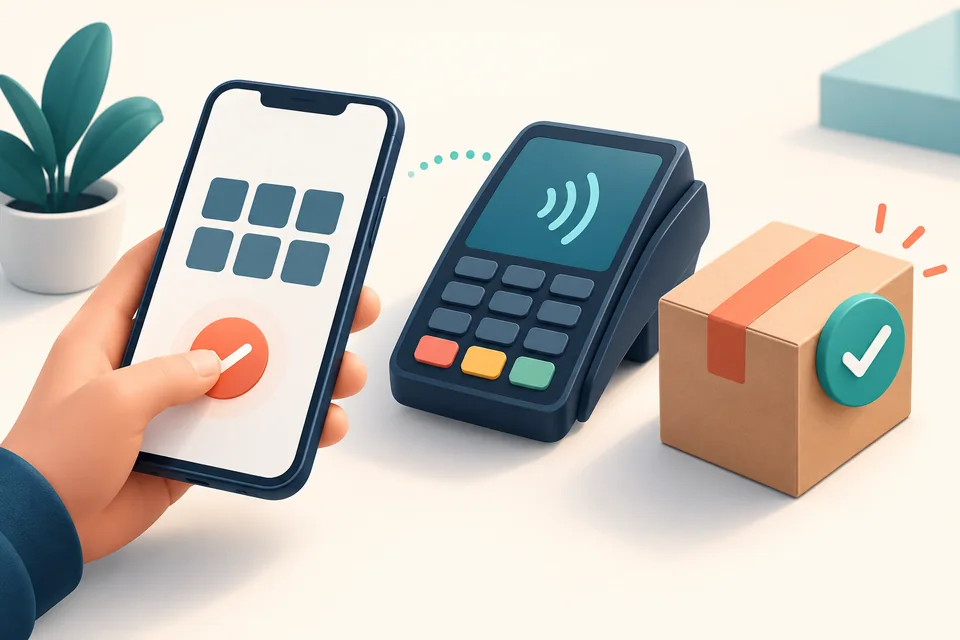
Identify the BLIK journey you need
BLIK acceptance should be evaluated around a specific customer journey and provider arrangement. A one-time online purchase and a recurring subscription do not rely on the same customer permission. Start by deciding whether the business needs a customer to approve each purchase or wants an eligible recurring arrangement. Then ask the acquiring partner which product, bank coverage and merchant categories it supports.
Stripe's BLIK documentation describes a Polish customer journey with PLN presentment, a six-digit code generated in the banking app and authorisation in that app. Its current documentation also supports reusable BLIK arrangements under additional conditions. These are examples from one provider. They do not establish that FixPays integrates BLIK or that a merchant approved for another payment method is automatically eligible.
Make the code and app transition understandable
Explain the next action in the checkout without asking customers to disclose unrelated banking credentials. The customer needs to move between the merchant page and the banking app while retaining the order. Use clear pending, failed and completed states. If the customer returns to an old browser tab, check the payment status before offering another attempt against the same purchase.
Build the expiry experience around the provider's documented timing. A customer who takes too long should receive an understandable way to retry, while the system retains the earlier attempt for investigation. Do not assume that generating a new code means an earlier payment cannot still require a status check. Keep support able to find all attempts linked to the original order.
Test the flow on a phone and on a desktop with a separate phone. Check readable amounts, merchant identity and currency at each stage. For accessibility, ensure that instructions and errors are usable without relying only on colour or a rapidly disappearing message. A clear checkout helps customers approve the intended purchase and gives support a more reliable account of what happened.
Use authoritative payment status for fulfilment
Create the order before initiating payment and store the provider reference with the expected amount and currency. Fulfilment should follow the provider's verified success state, not a customer screenshot or a browser return alone. Make duplicate notifications safe to process. Repeated delivery of the same event should update the same payment record without issuing another product or access entitlement.
Separate a payment's status from the commercial order's status. A successful payment may still belong to an order that cannot be supplied. A failed payment may leave stock temporarily reserved. Set a clear reservation policy, identify the person who resolves late success and record the eventual fulfilment or refund decision. This prevents the payment integration from silently determining the customer's commercial outcome.
Support teams need a compact view of amount, timestamps, order reference, payment attempts and current status. Limit sensitive information to what staff actually need. Establish who may initiate a refund or correct an order, and record those actions. A familiar payment method still needs controlled access when several teams handle customer requests across different shifts.
Treat recurring consent as a separate record
BLIK's operator documentation distinguishes the customer's recurring-payment consent from each subsequent transaction. It describes models with different confirmation, amount and frequency behaviour, and says customers can manage consent in their banking app. It also instructs merchants to verify supporting banks with their acquirer. A one-time purchase should therefore never be treated as permission for any future charge the business chooses.
Stripe's recurring implementation uses BLIK Model O and requires both the ordinary and recurring BLIK capabilities to be active. Its documentation notes additional business eligibility restrictions. Merchants using that implementation should verify those conditions before offering subscription checkout; merchants using other partners should obtain their own equivalent requirements. Provider-specific support should not be presented as a universal promise about every BLIK bank or account.
Keep the subscription agreement, payment mandate and individual invoice as linked but distinct records. Explain the amount or calculation basis, billing schedule and cancellation route to the customer. If payment authority ends, stop initiating charges under that authority and apply the business's agreed service policy. Cancelling future payment permission and refunding an earlier completed purchase are separate actions that need clear customer communication.
Test cancellation, expired authority, an unsupported bank and a failed renewal before introducing recurring billing widely. Ensure that customer service can see which future collections have stopped. Do not respond to a revoked mandate by silently moving the customer to another instrument. A legitimate fallback requires an appropriate supported payment arrangement and the customer's applicable permission.
Plan refunds and disputes together
Stripe documents full and partial BLIK refunds and a claims process for disputes such as suspected fraud, duplicate payment or an amount mismatch. It requires merchants to respond with evidence within its stated deadline. These details make it inappropriate to describe BLIK as universally free of disputes. Confirm the actual provider's process, timing and responsibilities before designing customer support procedures.
A refund case should show the original payment, approved amount, execution reference and observed outcome. Check a pending refund before issuing another reimbursement. If a dispute and a refund relate to the same purchase, coordinate the records so that separate teams do not each resolve the case with an untracked payment. Preserve relevant order and delivery evidence under the business's retention rules.
Reconcile receipts, charges and usable funds
Ask for the complete commercial schedule and a sample settlement report. Compare fixed and percentage costs against realistic basket values, then include applicable refund, service and conversion charges. A fast customer approval does not by itself establish when merchant funds become available. Obtain the provider's payout arrangements and show finance how deductions and adjustments appear in the bank credit.
Reconcile orders to individual payments and payments to settlement batches. Investigate missing references and unexplained deductions rather than treating the total bank deposit as proof that every order balanced. Before increasing traffic, review failed attempts, unresolved payments, refund completion and support contacts. These operating measures help identify whether the method is working for the actual customer base.
What it means to Merchants
BLIK can be assessed as a payment option for Polish customers when the selected provider approves the business and intended journey. Build clear app authorisation, reliable payment confirmation and traceable refunds into the first release. For recurring use, verify the exact model, bank support and active consent rather than extending one-time approval. Match settlement records to orders so that a successful checkout remains understandable to finance and customer service.